Debris and material removal
Offcuts, packaging, protective coverings and site trash are cleared and taken away from the areas in scope.
Serving Lansing, Michigan & surrounding areas
Mon–Fri 8am–6pm Sat 9am–2pm
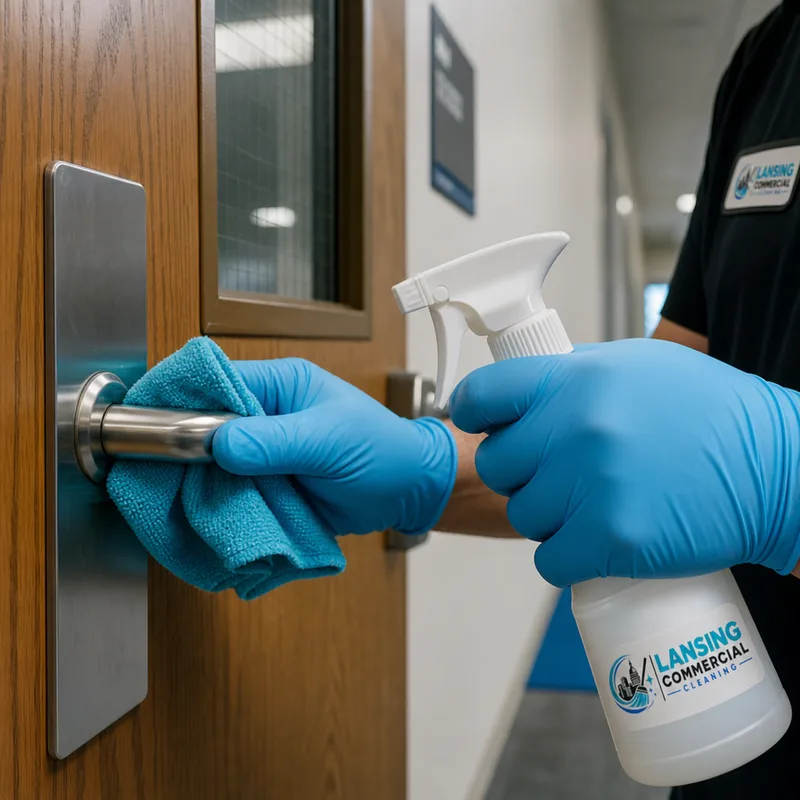
Build-Out Handover Cleaning
Construction dust behaves nothing like ordinary dust. Drywall sanding produces a fine gypsum powder that travels through a building, settles on every horizontal surface, hides inside tracks and fixtures, and comes back twice after a careless first pass. Lansing Commercial Cleaning works through the cleaning phases that turn a finished build-out into a space ready for an owner or a tenant, on projects throughout the Lansing area.
Built In Phases
Cleaning after construction is sequenced to the build rather than performed once at the end. The rough clean follows the heavy trades: debris removal, gross dust knocked down, floors cleared so finish trades can work. An interim clean comes after drywall, paint and millwork, when fine dust is at its worst and surfaces need to be clean enough for flooring, fixtures and casework to go in. The final clean happens once the punch list closes, close to handover: every surface detailed, glass and mirrors cleaned, stickers and adhesive residue removed, hardware polished, floors given their first proper maintenance, and filters addressed where the HVAC system has been running through the dusty phases.
On A Build Site
General contractors bring us onto commercial build-outs and renovations where cleaning sits on a schedule that cannot slip, because handover dates are usually contractual. Property managers call directly after tenant improvement work, when a suite has to be presentable for a walk-through within days. Owner-occupied projects are a third pattern: a business renovating around its own operation, needing dust contained and finished areas usable while work continues elsewhere in the building. Retail fit-outs, clinic and office suites, restaurant build-outs, warehouse and shop additions, and multi-unit renovations each carry their own sequence, which is why pricing comes from the drawings and the schedule instead of area alone.
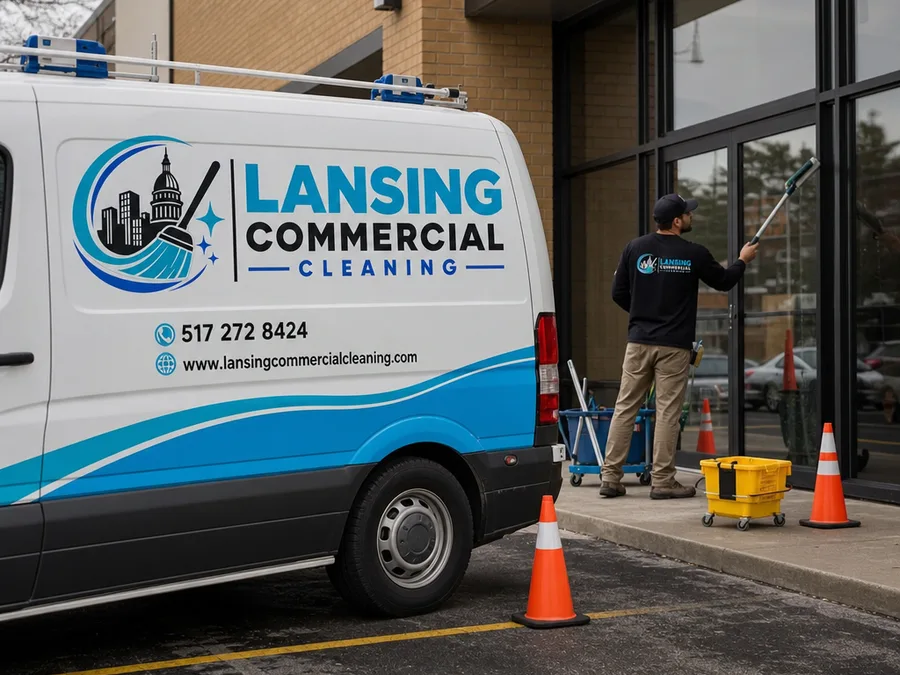
Cleared Before Keys
What this covers in practice, from debris and material removal, fine dust removal through the rest of the list below, each with the detail that matters on site.
Offcuts, packaging, protective coverings and site trash are cleared and taken away from the areas in scope.
Gypsum and sanding dust comes off ceilings, walls, ledges, frames and every horizontal surface by vacuum and damp wipe rather than dry sweeping.
Manufacturer labels, tape, paint overspray, caulk smears and sticker glue come off glass, frames, fixtures, appliances and hardware.
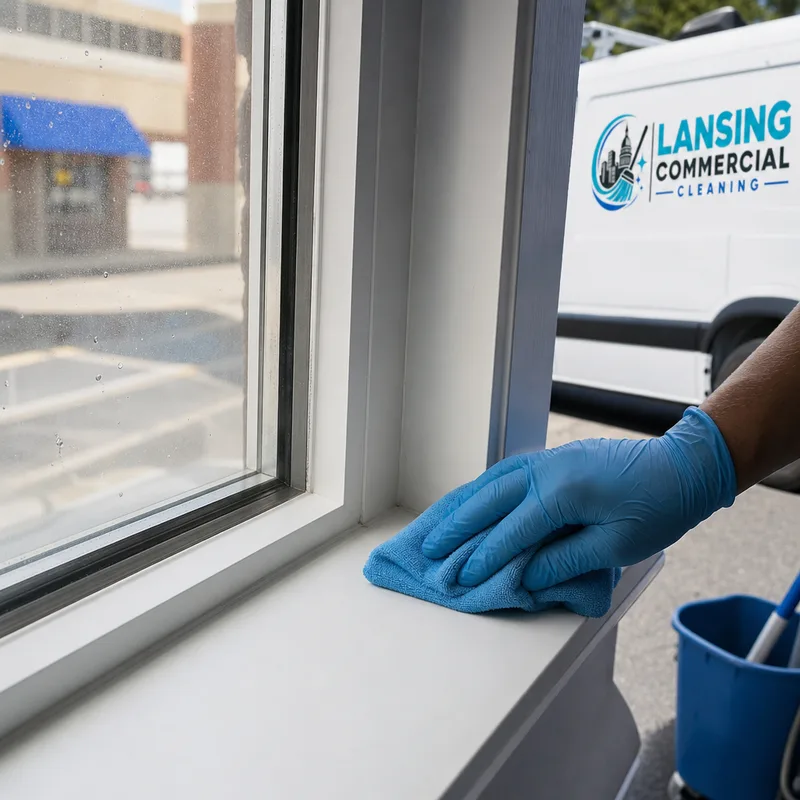
Windows, interior glass, mirrors, frames, sills and tracks are cleaned out, since tracks hold debris that reappears the first time a window opens.
Light fixtures, diffusers, switch plates, cabinet interiors, shelving, door hardware and plumbing fittings are brought to a finished standard.
New flooring receives its initial clean for the surface type, including grout haze removal on tile and the opening maintenance pass on resilient floors.
We take the construction schedule and the punch list timing first, then place the rough, interim and final cleans where the next trade will not undo them.
Each phase is cleaned once the work above it is complete, which keeps finished surfaces from being re-dusted by sanding or cutting in the same area.
With the punch list closed, crews detail room by room from ceiling to floor, taking glass, hardware and floors last so nothing is marked afterward.
We walk the space with you, and because dust in the HVAC system can resettle once the air moves again, the surfaces that tend to show it are rechecked.
Stage And Schedule
Every build differs, so this is costed from drawings and the construction program, with no standing rate attached. Published here for contracted service are about $150 to $600+ per visit and, as access and scope increase, $800 to $2,500+, neither of which describes a phased handover clean. Drivers on yours are the stage we join at, finished area and room count, dust the trades generated, how much glass and millwork wants individual detail, the flooring going in, and pressure on the handover date. Send drawings and dates, then a site visit precedes any written figure.
More For This Project
Handover is rarely the end of the cleaning, so these pages cover what a finished space needs once it is occupied.
A short orientation to this section before the detail below.
Timing And Residue
Answers to what buildings ask before they arrange a walkthrough, covering scope, scheduling and how the work gets checked.
After it, with a buffer. Punch work means sanding, touch-up paint, caulk and hardware adjustment, and every one of those tasks produces new dust or marks a surface that was already clean. Cleaning before the list closes buys you a second trip. A day or two of margin between the last punch item and handover is the schedule that actually works.
Gypsum dust is light enough to stay airborne for hours and small enough to sit inside ductwork, light housings and window tracks. When the HVAC system runs or a door opens, it comes back out and settles again. The answer is sequencing, which means cleaning after the dusty trades rather than during, together with filtered vacuums and attention to filters and air returns.
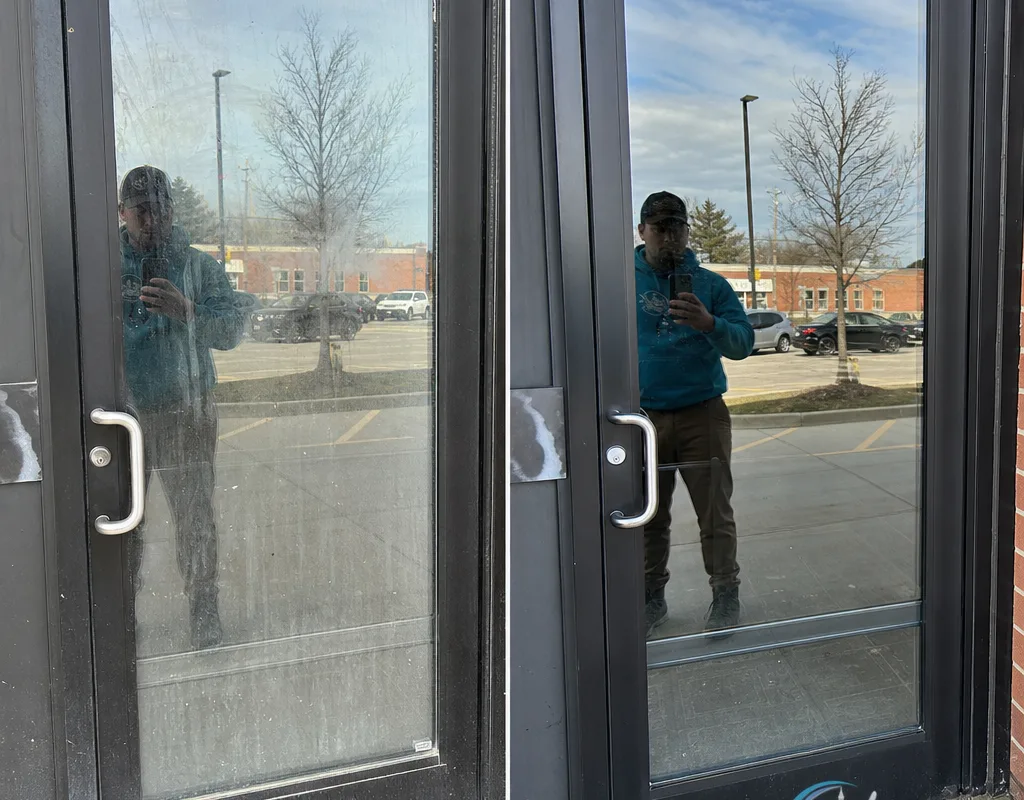
Yes, and it accounts for a large share of the final clean. Window and appliance labels, protective film, tape residue, paint overspray on glass and hardware, caulk smears and grout haze all need the right solvent and tool for the surface underneath. Testing happens in a discreet spot first, because the wrong product marks anodized frames and new finishes.
Yes, and most projects need it. Crews work by area rather than by building, taking spaces the trades have finished with and coordinating with your superintendent on sequence and access. We hold off on a room that still has sanding or cutting scheduled above or beside it, since that work would simply undo the clean.
Plan your service
Our number is (517) 272-8424: bring your handover date and the stage the build has reached. A site visit follows, the cleaning phases get placed against your schedule, and the quote arrives in writing for the scope you need.
Tell us about the building and the areas that matter most, and we will arrange a walkthrough and a written scope.
Request a quote
Send the building type, the areas that matter most and your preferred service window, and we will follow up to arrange a walkthrough.