Term And Break Frequencies
The task list carries two frequencies, one for teaching weeks and a lighter one for breaks, so you are not paying peak rates through a quiet month.
Serving Lansing, Michigan & surrounding areas
Mon–Fri 8am–6pm Sat 9am–2pm
Term Time Rhythm
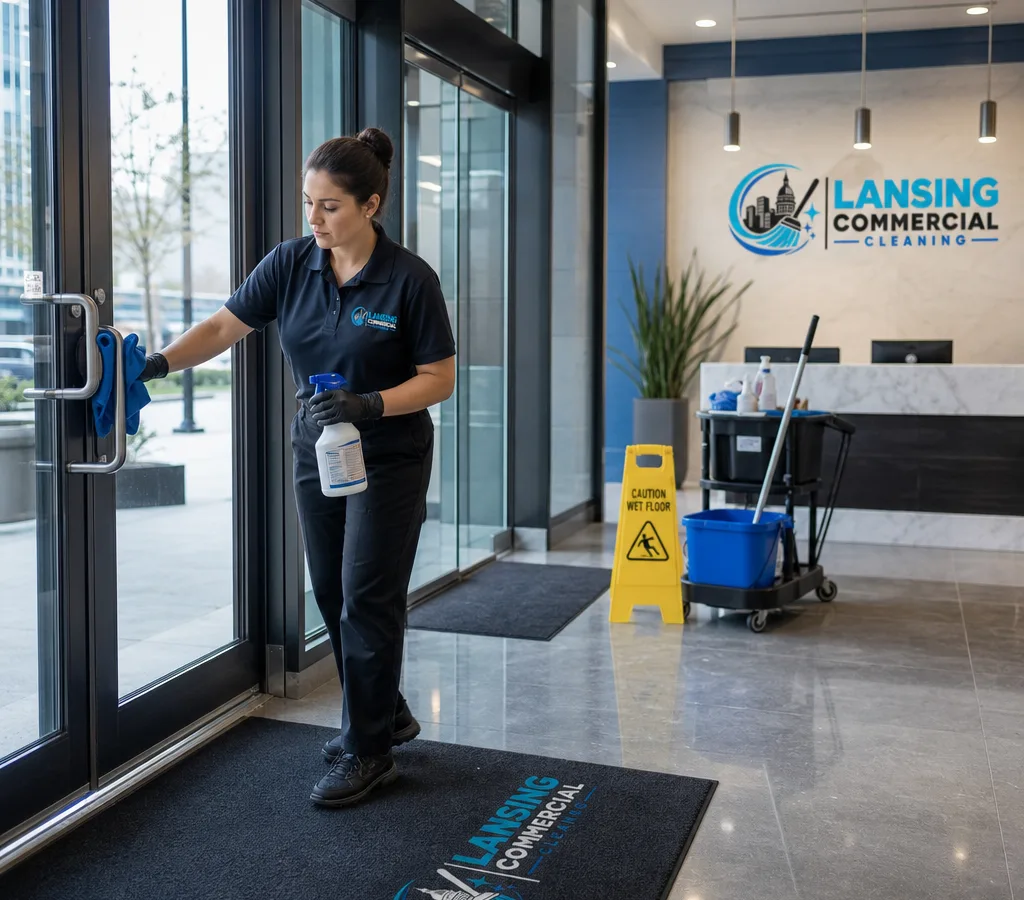
East Lansing runs on an academic calendar, and every building that serves students feels it. Cleaning here has to flex with term dates, move-in weeks and game days rather than hold one flat routine all year. We work retail, dining, clinical and office space across the city on written scopes that account for that swing.
Calendar Driven
Few commercial districts change volume as sharply as this one. A student-facing business can run at full tilt through a teaching week and drop to a fraction of that over a break, so a fixed weekly frequency either overserves the quiet weeks or underserves the busy ones. Move-in and move-out concentrate traffic and debris into a few days. Home game Saturdays reshape parking, crowds and street access, which decides whether a crew can reach a loading door at all. A scope written here carries different frequencies for term, break and peak weekends instead of one average that fits none of them.
Who We Clean For
The building mix here leans toward businesses whose customers arrive, leave and are replaced each year. Student-facing retail needs entry glass, fitting rooms and floors held to a standard that survives constant footfall. Restaurants and bars want grease-prone surfaces, restrooms and dining floors worked after close, and closing times run late. Clinics and dental practices around the city follow their own documented protocols, which our scope answers to rather than overrides. Professional offices, research-adjacent suites and property management space want recurring janitorial on a written task list. Fitness studios and salons add equipment touch points and product residue to the same visit pattern.
Local Working Details
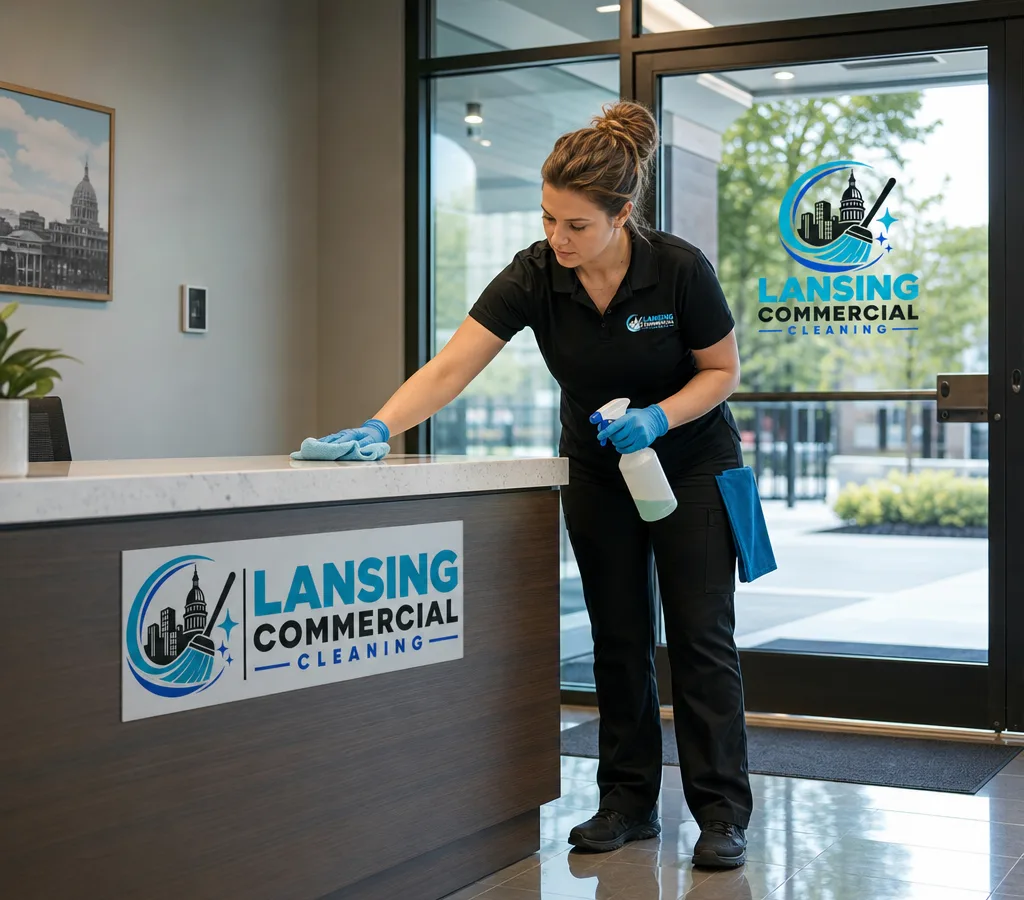
What this covers in practice, from term and break frequencies, move week surge work through the rest of the list below, each with the detail that matters on site.
The task list carries two frequencies, one for teaching weeks and a lighter one for breaks, so you are not paying peak rates through a quiet month.
Arrival and departure weeks concentrate debris, entry soil and waste volume, so additional visits are written in as dated additions.
Crowds and parking restrictions on home Saturdays decide whether a loading door is reachable, so those dates are planned around in advance.
Bars and restaurants finish late, so crews are timed to arrive after the last customer rather than to a standard overnight slot.
Heavy pedestrian traffic brings salt and meltwater straight onto hard floors, so matting runs and entry passes increase through the cold months.
Practices here keep their own infection-control documents, and the cleaning scope is written to follow whichever one your building already uses.
We look at the space and then at your year, noting teaching weeks, breaks, move dates and any weekend that changes access.
Tasks get a term frequency and a break frequency, written separately so the plan reflects real volume instead of an annual average.
Entry method, alarm handling and the dates when crowds or restrictions affect arrival are all recorded before the first visit.
Crews work the written tasks each visit, with entries, restrooms and floors covered every time and deeper detail rotating.
The scope is checked at the turn of a term, when volume shifts, so frequencies are corrected before complaints rather than after.
Local Cost Picture
Rates already published here cover this work: roughly $150 to $600+ a visit on smaller and mid-size buildings, or $0.10 to $0.25 by the square foot, with compact premises commonly $200 to $700 monthly according to visit count. Where you land turns on cleanable area, weekly visits, washroom numbers, surfaces and how far apart your term and break plans sit. Wider scope on a bigger property reaches $800 to $2,500+. Nothing is agreed until the walk is done and the figure written.
Getting To You
Crews reach East Lansing from our Hosmer Street office, which keeps the run short enough for late finishes and early starts to both be practical. That matters in a district where a restaurant may close well after midnight and a clinic may open early the same morning. Buildings along the main commercial streets, in mixed-use blocks with apartments above and in office space set back from the retail frontage all sit under one written approach, sized to the floor area and the hours each one keeps. Operators with sites here and elsewhere in the metro can hold one standard across them.
A short orientation to this section before the detail below.

Local Questions
Answers to what buildings ask before they arrange a walkthrough, covering scope, scheduling and how the work gets checked.
That is the point of writing two frequencies. Teaching weeks carry the heavier plan, and breaks drop to a lighter one agreed in advance. Both sit on the same task list, so nothing is renegotiated each time the calendar turns and you are not paying peak frequency through a quiet month.
Those weeks get extra visits written in as dated additions rather than squeezed into the normal plan. Debris volume, entry soil and waste all spike in a short window, so the scope says what happens and when instead of leaving a crew to absorb it.
Access is the real problem rather than the cleaning. Crowds and parking restrictions can make a loading door unreachable, so those dates are identified at the walkthrough and worked around, either by shifting the visit or by agreeing a different entry route in advance.
Yes, and the timing is set to your actual close rather than a standard slot. Bars and kitchens here often finish well after midnight, so crews arrive once the last customer has gone. Where an early-morning crew suits the building better, that works equally well.
Yes, and we start from whichever document your practice already keeps. Products, sequences and separation rules from that document go onto the task list, so a crew answers to your document instead of a one-size cleaning routine. Zoning and contact times appear on the list too.
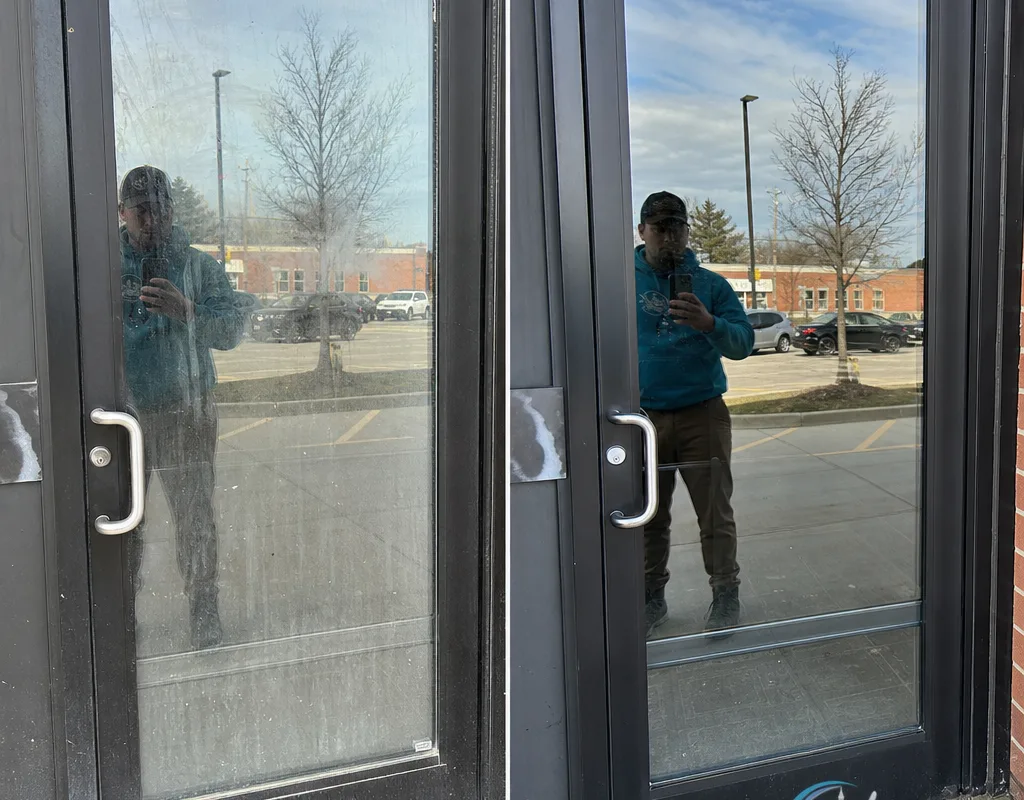
It has to be. Pedestrian volume brings salt and meltwater onto hard floors faster here than in a car-dependent district, so matting runs get longer, entry cleaning gets more frequent and a neutralizing rinse replaces plain mopping for those months.
Plan your service
Ring (517) 272-8424 so we can go through the building and your calendar together. Term and break frequencies reach you as separate lines, costed against what that visit found.
Tell us about the building and the areas that matter most, and we will arrange a walkthrough and a written scope.
Request a quote
Send the building type, the areas that matter most and your preferred service window, and we will follow up to arrange a walkthrough.