Surface Tested First
Material and existing coating get checked somewhere out of sight before any chemistry is chosen, because older floors take permanent damage easily.
Serving Lansing, Michigan & surrounding areas
Mon–Fri 8am–6pm Sat 9am–2pm
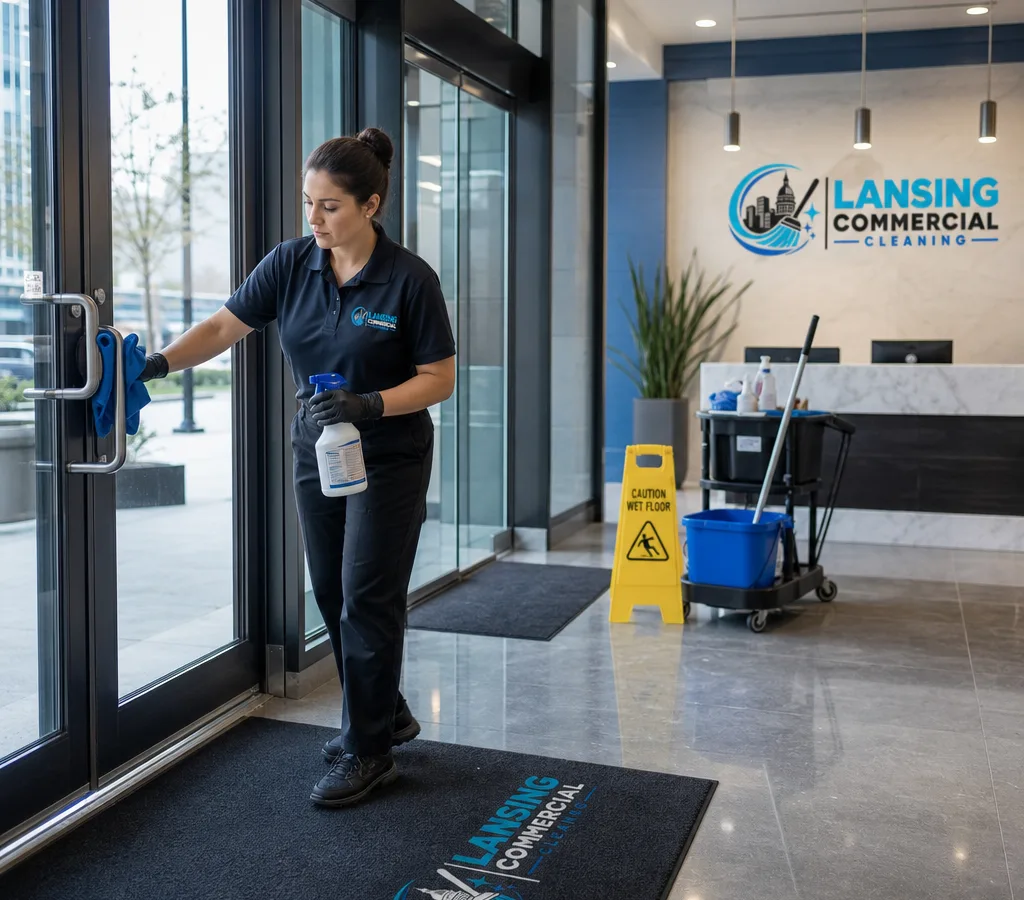
Historic Downtown
Mason keeps a compact downtown of older buildings around its civic core, occupied largely by professional practices and small independent businesses. Building age is the practical issue here more than building size. Identifying what a floor actually is, before any product touches it, is where a scope in this town earns its keep.
Age Sets Method
Downtown premises in this town were not built for modern maintenance routines. Original wood, early resilient tile, terrazzo, sealed or unsealed concrete and decades of layered finish all turn up behind the same front door, sometimes within a single suite. A method that suits one will dull, strip or stain another, and the damage is not reversible with a second pass. So the first job is identification rather than cleaning: establish the surface, test in a spot nobody looks at, then write the method down. The same applies to original joinery, stair treads and thresholds, where an aggressive product does lasting harm.
Who Occupies Them
Legal, accountancy, insurance and consulting practices make up much of the occupied space, and they want recurring janitorial that keeps meeting rooms, reception and restrooms consistently presentable. Municipal premises add corridor traffic and washroom load, peaking as doors open and again at midday. Independent retail and food premises on the street need entry glass and floors held presentable while trading. Clinics and dental suites follow their own protocols. Several buildings here hold more than one tenant, so shared stairwells, corridors and restrooms sit in the scope alongside the individual suites they connect.
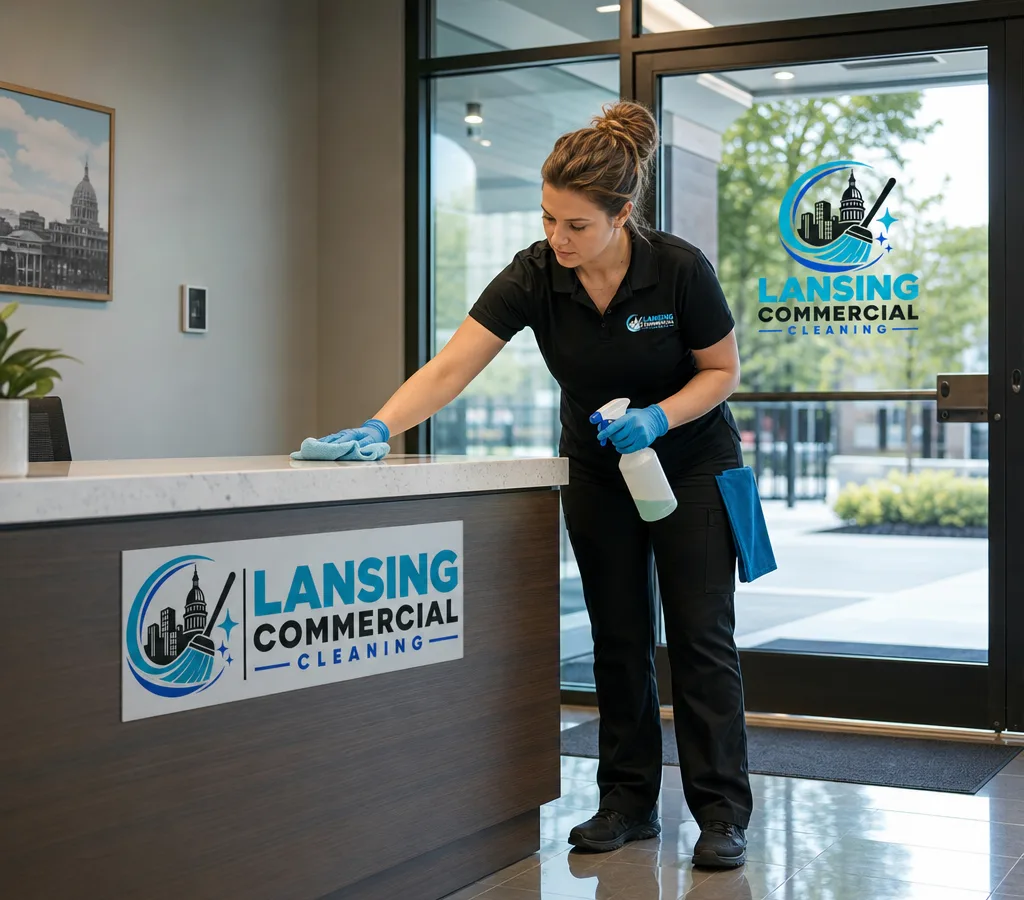
Working Practices
What this covers in practice, from surface tested first, original joinery care through the rest of the list below, each with the detail that matters on site.
Material and existing coating get checked somewhere out of sight before any chemistry is chosen, because older floors take permanent damage easily.
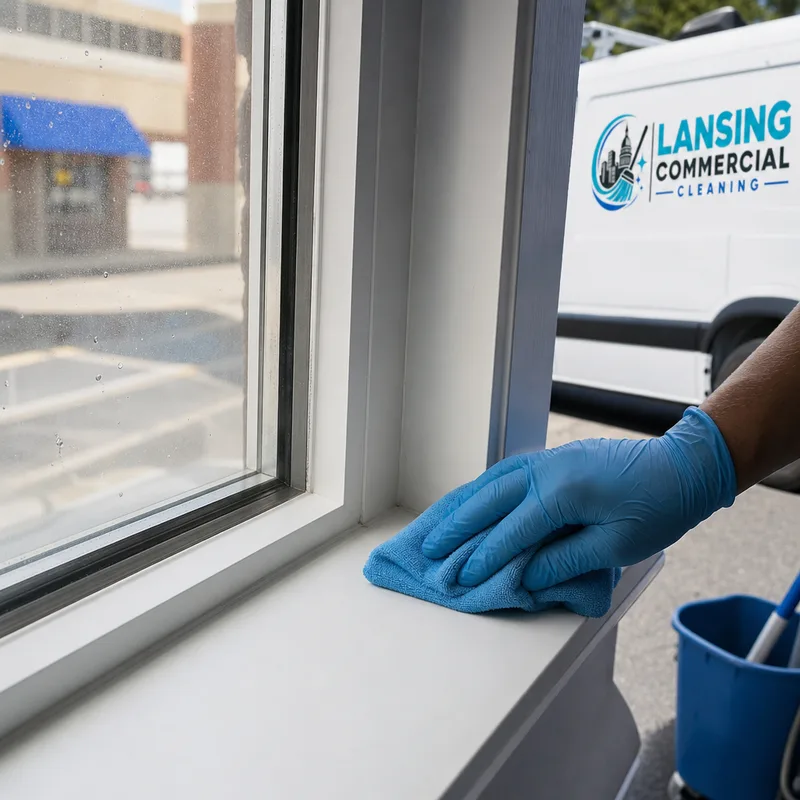
Stair treads, thresholds, handrails and original woodwork are cleaned with products chosen for the material rather than a general-purpose spray.
Where a building holds several tenants, the stairwells, corridors and common restrooms are written up separately so no shared space falls between them.
A practice is judged in the room where clients sit, so conference space and reception get reset ahead of the day first appointment.
Public buildings take concentrated restroom use at predictable hours, and frequency is written against those peaks rather than an average.
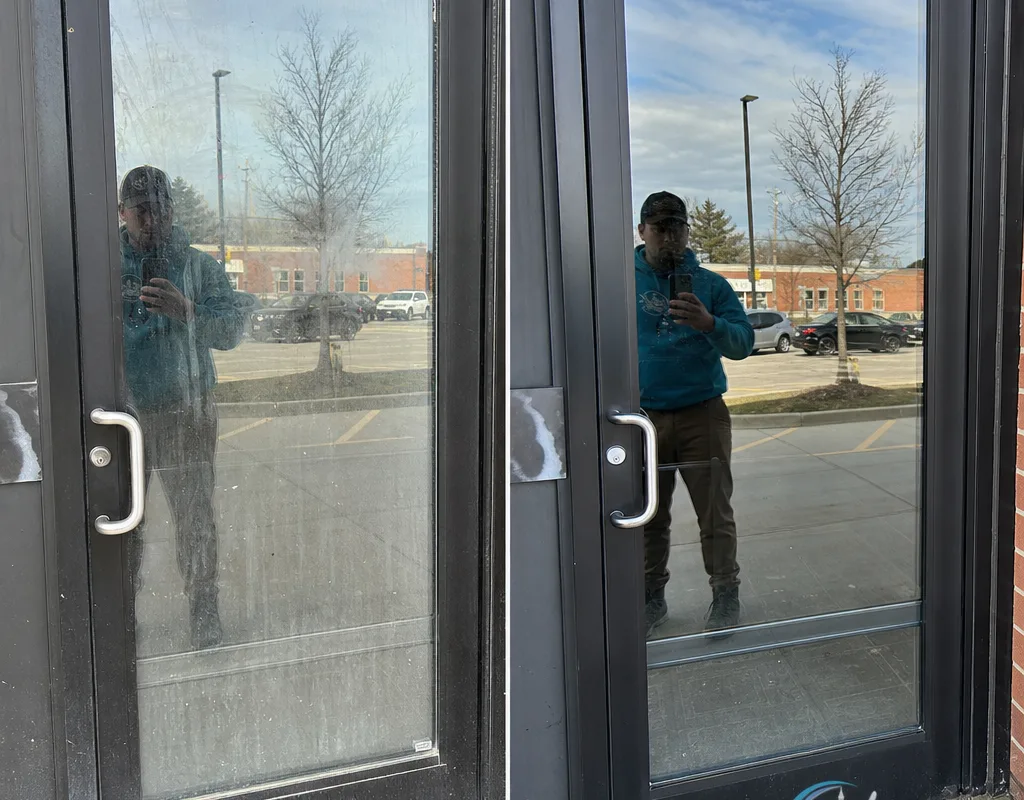
Door glass, thresholds and the opening stretch of floor get covered every visit, since these face a street where frontages are read together.
The first visit is an inspection. Floors, joinery and finishes are identified room by room, with test patches where a surface is ambiguous.
Each floor type gets its own method on the task list, so a crew is never choosing between products while standing in the room.
Entry, keys, alarm handling and which areas are shared rather than yours alone are all settled before the first service.
Each visit follows the document, taking restrooms, reception and floors every time while detail and periodic work rotate through.
Restoration on older floors is booked as separate project work, with cure time protected rather than squeezed into a routine visit.
Local Pricing
Published rates sit at roughly $150 to $600+ a visit on smaller and mid-size buildings, or $0.10 to $0.25 by the square foot, with compact suites commonly $200 to $700 monthly according to visit frequency. Surfaces weigh heavier in this town than most, because an older floor may want a gentler method or periodic restoration a modern one never needs. Square footage, how often crews come, washroom numbers and shared obligations do the rest. Restoration is quoted apart. Survey first, then the figure in writing.
Around The Town
Our crews reach this town on a planned run from the Hosmer Street office, so a fixed slot is practical rather than occasional. Suites around the civic core, offices on the side streets, street-level retail and food premises and the multi-tenant buildings that hold several practices at once all follow one written approach. What differs is the surface inventory, which is recorded per building rather than per town. Businesses with premises here and elsewhere in the metro can run one task list across them, provided each building keeps its own floor methods, because those cannot sensibly be standardized.
A short orientation to this section before the detail below.
Mason Questions
Answers to what buildings ask before they arrange a walkthrough, covering scope, scheduling and how the work gets checked.
Only once they have been identified. Original wood, early tile, terrazzo and layered finish all behave differently, and the wrong product does damage a second pass cannot undo. We confirm the surface somewhere out of sight first, then record the method on the list so nobody decides mid-visit.
Yes, and in a multi-tenant building those are written up as their own section. Shared stairwells, corridors and common restrooms otherwise fall between tenants, with each assuming somebody else covers them. Naming them in the scope settles who does what.
That is usually the priority in a professional practice. Conference rooms and reception get reset so your earliest client sees the room at its best, rather than cleaning taking place around appointments already underway with people sitting in the waiting area watching it happen.
No, it is quoted separately as project work. Stripping, sealing, recoating and burnishing all need the area clear and undisturbed cure time, which a routine visit cannot provide. On older floors the method also needs more care, so it is planned rather than slotted in.
Those get products chosen for the material instead of a general-purpose cleaner. Stair treads, handrails, thresholds and original joinery take hand contact daily, and an aggressive product strips or marks them in a way that shows permanently once it has happened.
Yes. Retail and food premises are served before opening or after close, and professional suites usually prefer after hours so staff and clients are undisturbed. Civic buildings tend to want work outside public hours, with restroom frequency written against the daily peaks.
Plan your service
Phone (517) 272-8424 and the first visit will be a survey of your floors and finishes. The written scope records a method per surface, with the cost set against it.
Tell us about the building and the areas that matter most, and we will arrange a walkthrough and a written scope.
Request a quote
Send the building type, the areas that matter most and your preferred service window, and we will follow up to arrange a walkthrough.